Logo
Logo
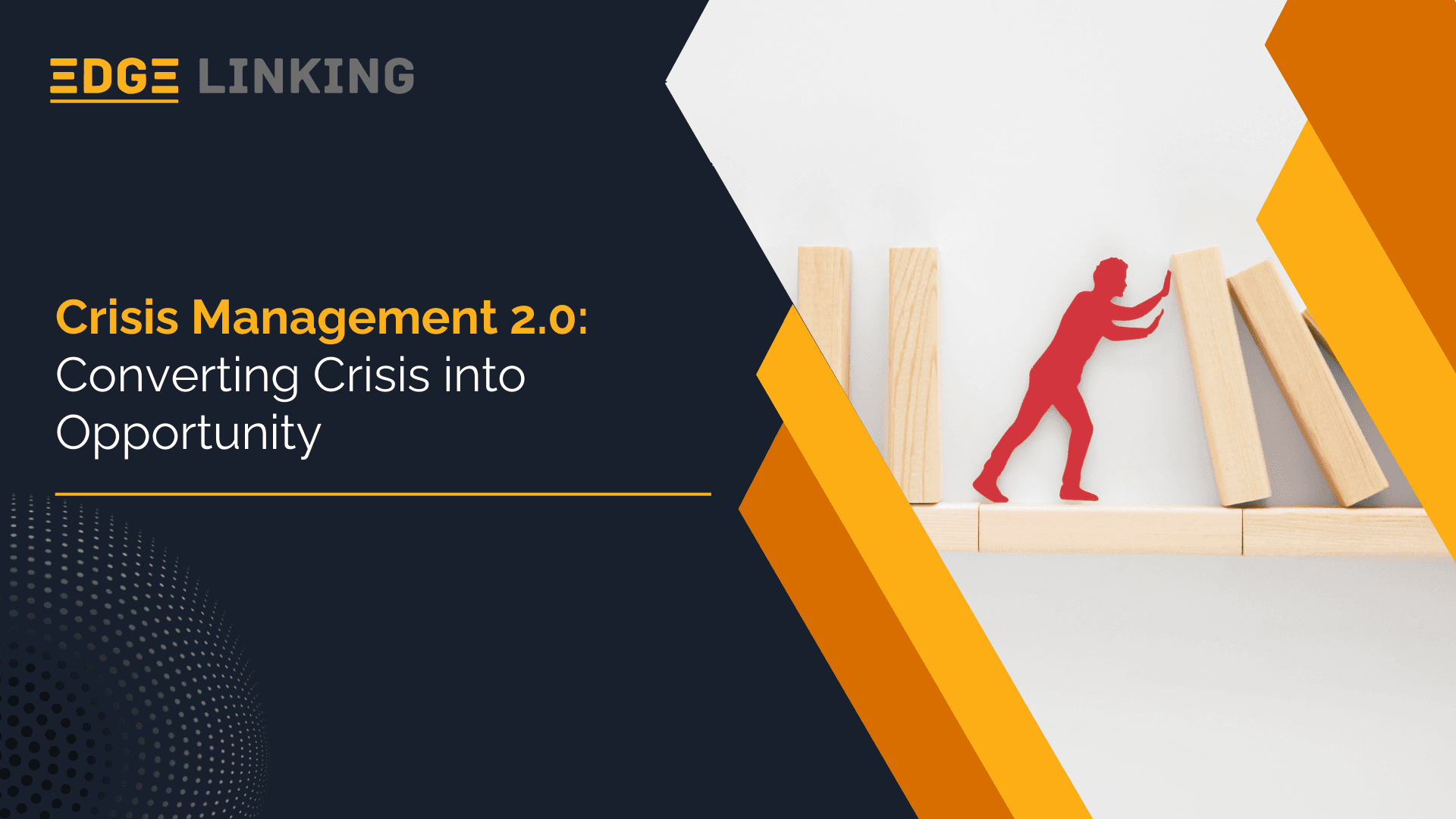
Crisis Management 2.0: Converting Crisis into Opportunity
Swastika Singha28 APR 2025

Crisis Management 2.0: Converting Crisis into Opportunity

Crisis management has changed a lot. Previously, it was all about having a good plan to handle a recall, scandal, or public relations mishap. The strategy was reactive reacting after a crisis struck. But now, with the speed at which information travels, this reactive approach is no longer sufficient. A crisis can grow from a minor problem to a complete disaster within minutes. Now, it's all about being prepared and responsive the instant the first red flag is raised.

The Changing Nature of Crisis Management

One of the largest changes in crisis management is the velocity at which things can get out of hand. A viral tweet, a single Instagram post, or a bad news story can blow up in a matter of minutes, impacting millions. Social media is central to determining how crises play out. It's the battlefield where reputations are created or lost. For instance, United Airlines experienced a huge PR crisis when a viral video captured a passenger being violently dragged off an airplane. A poor choice ignited fury, and within minutes the incident was on all social media outlets. The PR nightmare unfolded in real time with millions of individuals voicing outrage. But not all crises are managed badly. Companies such as Nike have demonstrated how to convert controversy into a chance. By remaining authentic to their values and embracing bold action, Nike leveraged a polarizing ad campaign with Colin Kaepernick to create a stronger bond with their audience. The takeaway? A crisis can be a moment to reaffirm brand values and restore trust.  

The Role of Social Media in Crisis

Social media is a two-sided coin. Social media provides a brand with direct access to customers and an instant reply opportunity. Social media also multiplies negativity, creating a snowballing controversy from what otherwise might be a minor blip. The customer who does not like or an influencer who dislikes may launch a crisis within minutes. In these situations, social media is a valuable crisis management tool. A 2023 study discovered that 57% of customers like brands that reply quickly on social media in times of crisis. Brands that deal with problems directly in the moment are usually best able to restore consumer confidence. Consider Chipotle's handling of the 2015 E. coli outbreak. The company moved quickly on social media to alert consumers to the situation and what they were doing to rectify it. Their positive outreach restored confidence even after a large health crisis. On the other hand, a poorly handled response on social media can worsen the situation. A poorly crafted apology or a dodgy response can further fuel the backlash. That's why it is important to have a crisis communication plan with a social media strategy to handle potential disasters.  

Proactive Crisis Management: Why Preparation is Key

Many people think crisis management only kicks in when things go wrong, but the most successful brands are those that prepare in advance. Proactive crisis management means anticipating potential problems and having a plan in place to respond quickly and effectively. One crucial step is monitoring your brand’s reputation in real time. Social listening tools can track brand mentions and sentiment, helping you catch early warning signs before a small issue becomes a full-blown crisis. Identifying potential problems early allows you to act before the situation escalates. Your crisis plan must be a living document, updated regularly with action items, escalation steps, and assigned spokespersons. The more detailed the plan, the better your team will be able to respond when a crisis does arise. Preparing for worst-case scenarios—such as data breaches or public gaffes—through training and simulations also puts your team ready for anything.  

Transparency and Authenticity: The Path to Regaining Trust

In the world today, there is no escaping a crisis. Consumers demand honesty and transparency. Brands that are honest about their errors and demonstrate a willingness to fix the problem are far more likely to bounce back than those that attempt to cover up. One prime example of transparency in a crisis is from Johnson & Johnson. In 1982, when Tylenol capsules were poisoned, leading to numerous fatalities, the company moved quickly. They removed millions of bottles from the market, spoke clearly to the public, and assured customers of the products' safety. Their candor and quick response not only kept the crisis in check but also regained the trust of the brand.  

Social Media Strategy: Speed and Tone Are Everything

Speed, when a crisis does break, is essential. Consumers want to see fast, immediate action taken, and the longer that you delay, the more opportunity there is for rumors to get out of hand. But speed is not all that is important—so is tone. A robotic or defensive tone will alienate and further inflame customers. But using a human, empathetic tone has a chance to rebuild trust. Airbnb is a prime example of empathetic response. In 2015, the company came under fire for racial discrimination by some hosts. Airbnb immediately responded with a message stating their commitment to inclusivity and working towards avoiding discrimination. Their open and empathetic response helped them ride through the storm and reinforce brand values.  

Turning a Crisis into an Opportunity

A crisis does not necessarily have to lead to brand harm. Actually, it can be a moment of reckoning for a brand. By addressing a crisis in a way that is ethical and in line with brand values, brands can take adversity and use it as an opportunity for expansion. Nike's Colin Kaepernick campaign is one such shining example. Even though there was a stir created, Nike's stand on sticking to their beliefs had their sales boost and they built stronger connections with socially aware consumers. The campaign not only made Nike a trendsetter on social causes but also solidified their brand's position on activism. By leveraging a crisis as a stage to show leadership, companies can come out even stronger. A crisis, if managed, can be a turning point and strengthen your brand's values, as well as connect with your audience long after the crisis is over.  

Fostering Resilience for the Future

The future of crisis management is not simply a matter of surviving but thriving. Brands that make proactive planning a priority, maintain open lines of communication, and remain committed to their values will be more resilient in the face of future crises. To create brand resilience, brands must make the following top priority:
  • Continuous training and simulation for their staff.
  • Creating a culture of openness throughout the organization.
  • Utilizing data and analytics to anticipate and handle potential crises.
  • Remaining true to brand values even during adversity.
Strong brands don't just survive crises—they grow from them and emerge stronger. In a society where social media blows up each and every move, those that remain faithful to their values and are able to act nimbly will succeed despite adversity. We can reach that potential. Crisis Management 2.0 is not only reacting to crises—it's building a proactive, resilient, and genuine brand that can succeed even in adverse conditions. In today's social media era, crises can spread quickly, but with the right approaches, brands can convert them into opportunities for development. Through prior planning, speed of action, and adherence to your values, you can bounce back from a crisis not merely unharmed, but greater than ever before. So the next time stormy weather is on the horizon, will your brand go under or fly? The decision lies with you.      
Latest Insights

Things You Should Know About B2B Intent-Based Marketing

12 FEB 2025

Marketing

Things You Should Know About B2B Intent-Based Marketing

In B2B marketing, understanding your audience’s intent is the key to driving meaningful engagement and conversions. But let’s be real—many businesses still rely on broad targeting strategies, hoping their message sticks. That’s where intent-based marketing comes in, flipping the script and allowing marketers to connect with prospects at the right time with the right message. If you’ve ever felt like your outbound marketing campaigns weren’t yielding the desired results or your content wasn’t reaching the right decision-makers, this blog is for you. Let's dive into what intent-based marketing is, how it differs from outbound marketing, and the top things you need to know to implement it successfully. The Problem with Traditional B2B Marketing Many businesses spend significant amounts of money on marketing campaigns that don’t produce results. Here’s why: Broad targeting: Instead of focusing on high-intent prospects, many businesses waste time on low-intent leads. Lack of personalization: Generic outreach doesn’t resonate with modern buyers who expect tailored experiences. Inefficient budget allocation: Businesses often pour money into campaigns without knowing if their audience is actually interested. Intent-based marketing helps solve these issues by ensuring your marketing efforts are directed at prospects who are actively searching for your solutions. What Is Outbound Marketing? Before we dive into intent-based marketing, let’s set the stage by understanding outbound marketing—the traditional way of reaching potential customers. Outbound marketing is all about pushing messages out to a broad audience, hoping to attract attention. This includes: Cold emails Cold calling Paid ads Trade shows and events Direct mail campaigns While outbound marketing has its place, it often lacks precision. It’s like throwing darts blindfolded—sometimes you hit the target, but most times, you miss. This is where B2B intent-based marketing makes a difference by leveraging real-time data to identify potential buyers who are actively searching for solutions like yours. Understanding B2B Intent Data Intent data is the backbone of intent-based marketing. It provides insights into a prospect’s online behavior, showing what topics, they’re researching, what keywords they’re searching for, and which competitors they might be considering. This data comes from: First-party data – Website visits, content downloads, email engagement, and CRM interactions. Second-party data – Partner platforms that share insights on user activity. Third-party data – Data collected from external sources like B2B review sites, publisher networks, and industry-specific databases. By analyzing this data, you can predict buying intent and tailor your marketing efforts, accordingly, ensuring you engage with leads when they’re most likely to convert. Top 10 Things You Should Know About B2B Intent-Based Marketing Identify B2B Ideal Customer Profiles  Intent data helps refine your Ideal Customer Profile by highlighting businesses that actively show interest in your industry. Instead of chasing leads that may never convert, you can focus on accounts that are already in-market for your solution. Optimize Content Creation Many businesses struggle with content that doesn’t resonate with their audience. Intent-based marketing allows you to create content aligned with what your audience is actively searching for, making it more relevant and engaging. Personalize the Buyer’s Journey Intent data reveals what stage of the buying journey a prospect is in. This lets you craft hyper-personalized messaging—whether it’s an educational blog, a case study, or a product demo invite—to move them further down the funnel. Align Sales and Marketing Efforts One of the biggest problems in B2B marketing is the disconnect between sales and marketing teams. Intent data provides real-time insights that both teams can use to prioritize high-intent leads, improving conversion rates. Improve Ad Targeting and Budget Allocation Instead of wasting money on broad ad campaigns, use intent data to target high-intent prospects. This ensures your ad spend is focused on leads with the highest potential to convert. Enhance Account-Based Marketing (ABM) Strategies Intent-based marketing and account-based marketing (ABM) go hand in hand. By knowing which accounts are actively searching for solutions, you can craft personalized outreach strategies that increase engagement and sales conversions. Reduce Sales Cycle Length Many B2B sales cycles are long and complex. But when you reach out to prospects exactly when they’re looking for solutions, you can shorten the buying cycle significantly. Stay Ahead of Competitors Intent data allows you to monitor when prospects are engaging with competitors’ content. You can use this insight to counter their messaging, highlighting your unique value proposition before they make a decision. Leverage AI and Automation AI-powered tools can analyze vast amounts of intent data in real-time, helping you identify trends and automate personalized outreach at scale. This ensures no high-intent lead slips through the cracks. Measure Success with the Right KPIs Tracking the right Key Performance Indicators (KPIs) is crucial for success. These may include: Engagement rate on intent-driven content Conversion rate of intent-based leads Sales cycle duration reduction ROI on intent-based ad campaigns By continuously refining your strategy based on data, you ensure sustained growth and higher marketing ROI. Common Challenges in Implementing Intent-Based Marketing Data Overload and Analysis Paralysis With so much data available, businesses can struggle to extract meaningful insights. Investing in AI-powered analytics tools can help make sense of the data efficiently. Privacy and Compliance Issues With increasing data privacy regulations, businesses must ensure they handle intent data ethically and comply with GDPR, CCPA, and other laws. Integration with Existing Tech Stack Many companies find it difficult to integrate intent-based marketing with their CRM and marketing automation tools. Choosing platforms with seamless integrations can help ease the transition. Misalignment Between Sales and Marketing For intent-based marketing to work, sales and marketing teams must be aligned in their approach. Regular meetings and shared KPIs can help bridge the gap. Final Thoughts B2B marketing is no longer about who shouts the loudest—it’s about who listens the best. Intent-based marketing helps you cut through the noise and engage with prospects when they’re actually ready to buy. It’s precise, data-driven, and, when done right, incredibly effective. If your current marketing strategy feels like a guessing game, it’s time to shift towards intent-based marketing and start leveraging real-time insights to drive meaningful growth. Want to learn more? Let’s start a conversation about how you can use intent data to transform your marketing strategy!

Understanding Data Brokerage and Its Role in Marketing

10 DEC 2024

Marketing

Understanding Data Brokerage and Its Role in Marketing

Today, data is like gold in our digital world because it plays a significant role in business choices and marketing plans. Have you considered where businesses find all the information, they use to reach us so accurately? That's where data brokers come in—these are the hidden figures in the marketing scene. Data brokerage is a field that gathers, sorts and sells information about people and companies. Marketers, advertisers, and other organizations use this information to improve their tactics and tailor their messages. Although this may seem beneficial for businesses and consumers, the industry faces several problems, such as accuracy, ethics, and various risks. In this blog, we'll break down: What data brokerage is? How data is collected and the challenges of ensuring its accuracy. Risks businesses face when relying on brokered data. Key takeaways for marketers aiming to leverage data responsibly. Let's dive in. What Is Data Brokerage? Data brokerage is about gathering, processing, and selling information about people and businesses. Data brokers serve as middlemen; they collect data from different sources, organize it, and sell it to clients who need it for things like marketing, evaluating risks, and making decisions. What Types of Data Do Brokers Gather? Data brokers gather all sorts of information, including: - Demographics: Details like age, gender, income, and education. - Behavioral Data: Information on online browsing, purchase history, and app usage. - Location Data: Current or past location details from mobile devices. - Social Media Activity: Public posts, likes, and shares. They often merge these data points to create in-depth profiles that can help predict how consumers behave or what they prefer. Who Benefits from Data Brokers? Many industries use data brokerage services, such as: - Marketing and Advertising: To reach audiences with tailored campaigns. - Financial Services: To evaluate credit risk and prevent fraud. - Healthcare: For outreach to patients and planning resources. - Retail: To gain insights into customer preferences and trends. Though the industry has advantages, how data is collected and used often leads to privacy and accuracy concerns. Collecting Data and Its Accuracy Issues Data brokers gather information from different places, which can be grouped into a few key types: Publicly Accessible Data Sources: Government records, social media profiles, and online directories. Challenges: This information can be old or missing essential details. For example, a person's income level in public records might need to be corrected. Online Tracking and Cookies Sources: Your browsing history, online shopping behavior, and ad interactions. Challenges: With stricter rules on third-party cookies, data brokers seek new ways to collect online activity data. This change can lead to gaps in the data and raises questions about whether users have consented. Business Partnerships Sources: Loyalty programs, surveys, and customer databases. Challenges: Sometimes businesses provide data that needs to be more accurate and complete, especially if customers entered the wrong information when they signed up. Buying from Other Brokers Sources: Data brokers often purchase information from one another to improve their profiles. Challenges: Mistakes can build up when information is passed around too much, making identifying inaccuracies challenging. Challenges with Data Accuracy Even with their advanced methods, data brokers struggle to keep their information accurate: Incomplete Data: Customers sometimes provide different amounts of detail, resulting in uneven profiles. Old Information: Data is sometimes updated, which can make it less relevant. Misinterpretation: Algorithms can wrongly guess interests or behaviors, resulting in targeting that misses the mark. The Risks of Using Brokered Data in Business Turning to brokered data can be a gamble. It can help with targeting and understanding customers, but there are some real risks to consider: Privacy Concerns One major worry is how data is used. Companies might buy data gathered without proper consent, which can breach laws like GDPR or CCPA. Such breaches can lead to heavy fines and damage a company's reputation. Data Security Threats More data can mean more trouble. As a company collects more information, it becomes more appealing to hackers. If brokered data holds sensitive customer details, a security breach could result in lawsuits and a loss of customer trust. Mistakes in Targeting Inaccurate, brokered data can cause marketing mistakes. For instance, targeting luxury goods to low-income consumers can harm a brand's image. Dependence on Data Brokers Relying solely on brokered data while using first-party data can help a company connect genuinely with customers. Businesses must create ways to gather data to avoid becoming overly dependent on brokers, which can be expensive over time. Legal Risks Data privacy laws are changing, and not all data brokers know how they operate. Companies that use brokered data must ensure it meets current legal standards; ignorance won't protect them. Important Points for Marketers Marketers must balance data usefulness and critical ethical considerations if they want to use data brokers efficiently and responsibly. Here's the approach: Focus on First-Party Data First-party data, gathered directly from customers through their interactions with your brand, is usually more trustworthy and aligns better with privacy laws. While using brokered data can add to your strategy, having a solid first-party data system is the way to go for a lasting method. Check Your Data Sources Not every broker is transparent or high-quality. Before you buy data, make sure to: Look into the broker's brokers. Ask how they collected the data. Ensure the data meets regulations like GDPR and CCPA. Put Money into Data Verification Use tools to tidy up and confirm the accuracy of brokered data before bringing it into your systems. This helps prevent any incorrect or old information from messing up your campaigns. Be Careful with Personalization While data can help you market more effectively, going too far can make customers uncomfortable. For instance, if you seem to know too much about someone, someone feels intrusive rather than appreciated. Keep an Eye on Legal Trends Stay updated on shifts in data privacy laws. By being proactive, you can avoid compliance issues and maintain customers' set ethical guidelines. Draft internal policies about how your company handles data. This means deciding which data points to use and ensuring that all marketing efforts respect privacy. Teach Your Team Marketers need to understand the ins and outs of data brokerage, including the risks involved and the best ways to handle them. A well-informed team is less likely to make mistakes that could damage your brand. Finding a Good Balance To make the most of data brokers, you must balance what you get from outside sources with what you collect internally. Here are a few tips for businesses to achieve that balance: Combine Your Data Brokered data gives you a comprehensive view while your data goes deeper. Use both to better understand your audience. For instance, mix the demographic data you get from brokers with the behavioral information from your website to improve your targeting efforts. Use AI to Help Artificial intelligence can help when it comes to examining brokered data. It can find patterns and details that you might miss on your own. Plus, AI can spot inaccuracies, which helps you avoid errors. Be Honest with Customers It's important to be precise. It's how you use data. People value honesty, and it builds trust. Being straightforward can also ease any concerns about targeted marketing efforts. Check Your Data Regularly Make it a habit to review your data sources and the brokers you partner with to ensure you're complying with regulations and maintaining good data quality. Conclusion Data brokers are important in today's marketing and advertising world, as they offer useful information that can help businesses grow. But the way they gather data, along with issues like accuracy and ethical questions, means companies need to be careful. For marketers, the trick is to find a balance between the advantages of using data from brokers and the risks involved. Focusing on data they collect themselves, checking the accuracy of brokered data, and following ethical guidelines can enable businesses to use data brokers wisely while gaining trust from their audiences. As data privacy rules keep changing, businesses need to stay flexible and proactive. This way, they can make sure their marketing efforts are effective and follow the rules. By doing this, they can take advantage of data while protecting their reputation and relationships with customers.

The Top 10 Challenges Introduced by Marketing Automation and How to Avoid Them

13 MAR 2025

Marketing

The Top 10 Challenges Introduced by Marketing Automation and How to Avoid Them

Marketing automation has revolutionized how businesses connect with their audience, offering unprecedented efficiency and scalability. However, this powerful tool isn't without its challenges. Implementing marketing automation without careful planning and execution can lead to a host of problems, from impersonal communication to wasted resources. This blog post explores the top 10 challenges introduced by marketing automation and provides actionable strategies to avoid them, ensuring your automation efforts drive real results. Impersonal Communication: The Robotic Touch One of the biggest pitfalls of marketing automation is the risk of sounding too robotic and impersonal. Automated emails and messages can feel generic and detached, alienating your audience instead of engaging them. The Fix: Personalization is key. Segment your audience based on demographics, behavior, and interests to deliver targeted messages that resonate. Use merge tags to personalize emails with names and other relevant information. Craft your automated content with a human touch, focusing on building relationships rather than just pushing sales. A/B test different messaging and tone to find what connects best with your audience. Data Silos and Integration Issues: The Disconnected Experience Marketing automation often relies on data from various sources, including CRM, website analytics, and social media platforms. If these systems aren't properly integrated, data silos can emerge, hindering your ability to create a unified view of your customers and personalize their experience. The Fix: Prioritize integration from the start. Choose marketing automation software that seamlessly integrates with your existing systems. Invest in data management tools to consolidate and clean your data, ensuring accuracy and consistency. Develop a clear data governance strategy to ensure data privacy and compliance. Complexity and Overwhelm: The Automation Avalanche Marketing automation platforms can be complex, especially for small businesses with limited resources. The sheer number of features and options can be overwhelming, leading to confusion and inefficient use of the software. The Fix: Start small and focus on the core functionalities that are most relevant to your business. Invest in training and documentation to ensure your team understands how to use the platform effectively. Don't try to automate everything at once. Prioritize key processes and gradually expand your automation efforts as your team gains experience. Lack of Strategy: Automation Without Direction Implementing marketing automation without a clear strategy is like driving a car without a destination. You may be moving, but you're not getting anywhere. Without a well-defined strategy, your automation efforts are likely to be ineffective and a waste of resources. The Fix: Develop a comprehensive marketing automation strategy that aligns with your overall business goals. Define your target audience, identify key customer journeys, and map out the automated workflows that will nurture leads and drive conversions. Set clear metrics to track the performance of your automation efforts and make adjustments as needed. Content Quality Takes a Back Seat: Automation Over Substance In the rush to automate everything, content quality can sometimes suffer. Generic, uninspired content can damage your brand reputation and fail to engage your audience. The Fix: Content is still king, even with automation. Prioritize creating high-quality, valuable content that resonates with your target audience. Use automation to deliver this content strategically, at the right time and through the right channels. Don't let automation become an excuse for producing subpar content. Ignoring the Human Element: Automation Over Interaction Marketing automation should enhance, not replace, human interaction. Over-reliance on automation can make your brand feel distant and impersonal. The Fix: Find the right balance between automation and human interaction. Use automation for repetitive tasks and lead nurturing, but don't neglect opportunities for personalized communication and engagement. Encourage two-way communication through social media, email, and live chat. Difficulty Measuring ROI: The Accountability Gap Measuring the return on investment (ROI) of marketing automation can be challenging. Without clear metrics and tracking mechanisms, it's difficult to determine whether your automation efforts are actually generating results. The Fix: Define clear metrics for tracking the performance of your marketing automation efforts, such as lead generation, conversion rates, and customer lifetime value. Use analytics dashboards to monitor these metrics and identify areas for improvement. Regularly review your automation strategy and make adjustments based on the data. Security Risks and Data Breaches: The Privacy Peril Marketing automation often involves collecting and storing sensitive customer data. This makes your business vulnerable to security risks and data breaches if proper security measures are not in place. The Fix: Prioritize data security and privacy. Choose marketing automation software that complies with relevant data privacy regulations (e.g., GDPR). Implement strong security measures to protect your customer data from unauthorized access. Regularly audit your security protocols and train your team on data security best practices. Lack of Team Training and Buy-in: The Implementation Hurdle Implementing marketing automation requires team training and buy-in. If your team doesn't understand how to use the software effectively or doesn't believe in its value, your automation efforts are likely to fail. The Fix: Invest in comprehensive training for your team. Clearly communicate the benefits of marketing automation and how it will make their jobs easier. Encourage collaboration and feedback to ensure everyone is on board with the new system. Constant Evolution of Technology: The Staying-Up-to-Date Struggle Marketing automation technology is constantly evolving. Staying up-to-date with the latest trends and best practices can be a challenge. The Fix: Dedicate time to ongoing learning and development. Attend industry conferences, webinars, and workshops to stay informed about the latest advancements in marketing automation. Subscribe to industry blogs and publications to keep up with best practices. Embrace a culture of continuous improvement to ensure your automation efforts are always optimized. Conclusion – In conclusion, marketing automation offers immense potential for businesses seeking to enhance efficiency, personalize customer experiences, and drive growth. However, it's crucial to acknowledge and proactively address the inherent challenges that come with implementing such a powerful tool. From maintaining a human touch in automated communications to ensuring data security and navigating the complexities of integration and measurement, businesses must be vigilant. By prioritizing personalization, investing in training, focusing on data integrity, and consistently refining strategies based on data-driven insights, organizations can avoid the common pitfalls and fully leverage the transformative power of marketing automation. It's not simply about automating processes; it's about strategically enhancing the customer journey, building stronger relationships, and ultimately, achieving sustainable business success in the ever-evolving digital landscape. The key takeaway is that marketing automation is a powerful tool, but it's only as effective as the strategy and execution behind it. With careful planning, a customer-centric approach, and a commitment to continuous improvement, marketing automation can be a game-changer for your business.

Let’s Work
Together

Partner with a team that turns brand into demand and conversations into pipeline. We build scalable campaigns with content and precise distribution to deliver measurable growth.